


Connecting the dots
Dana Louise Raphael's work was rooted in the understanding that a person's lived experience is bigger than just intervention and outcome.
The more she witnessed women move through the threshold she named matrescence, the more she saw that profound life change warrants the validation of being witnessed and recognized.
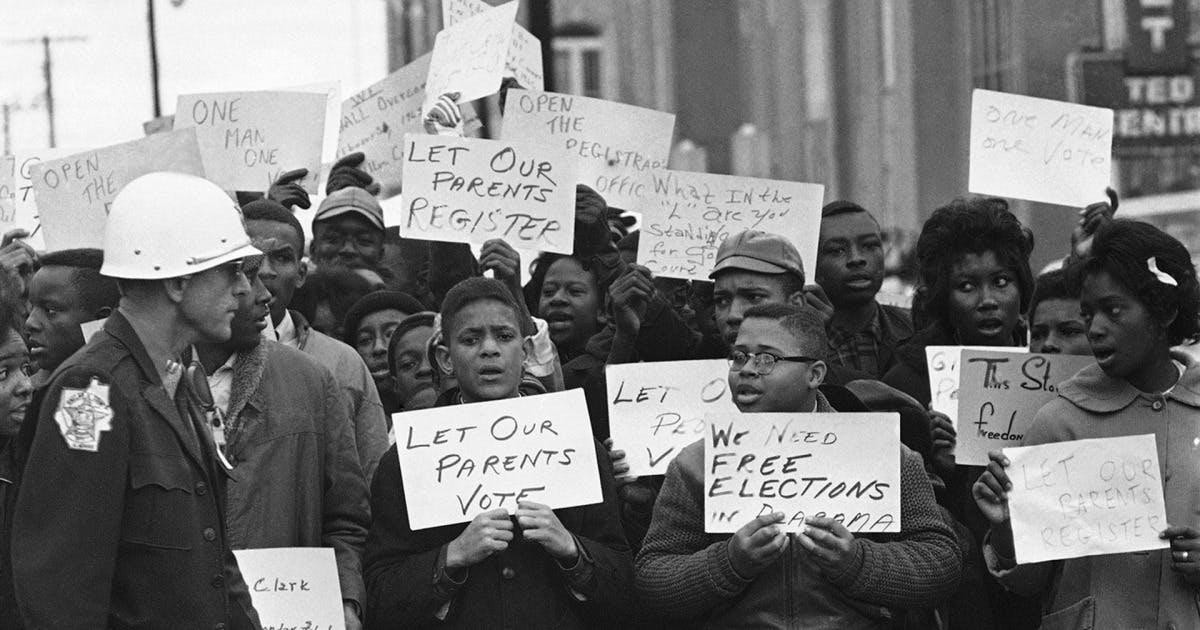
Witnessing the reality of people's pain became a turning point in the Civil Rights Movement.
The 1965 video footage of "Bloody Sunday" didn't just inform the national public about what was happening in Selma — it made them feel it.
The sudden availability of news in video format exposed a deeper truth: our capacity to integrate information is significantly impacted by our sensory, felt experience.
Watching swarms of officers charge at people gathering peacefully, hearing the sounds of the billy clubs and the click-clack of the horses' hooves —
— feeling pushes us into understanding the truth of things in a way that is much harder to ignore.
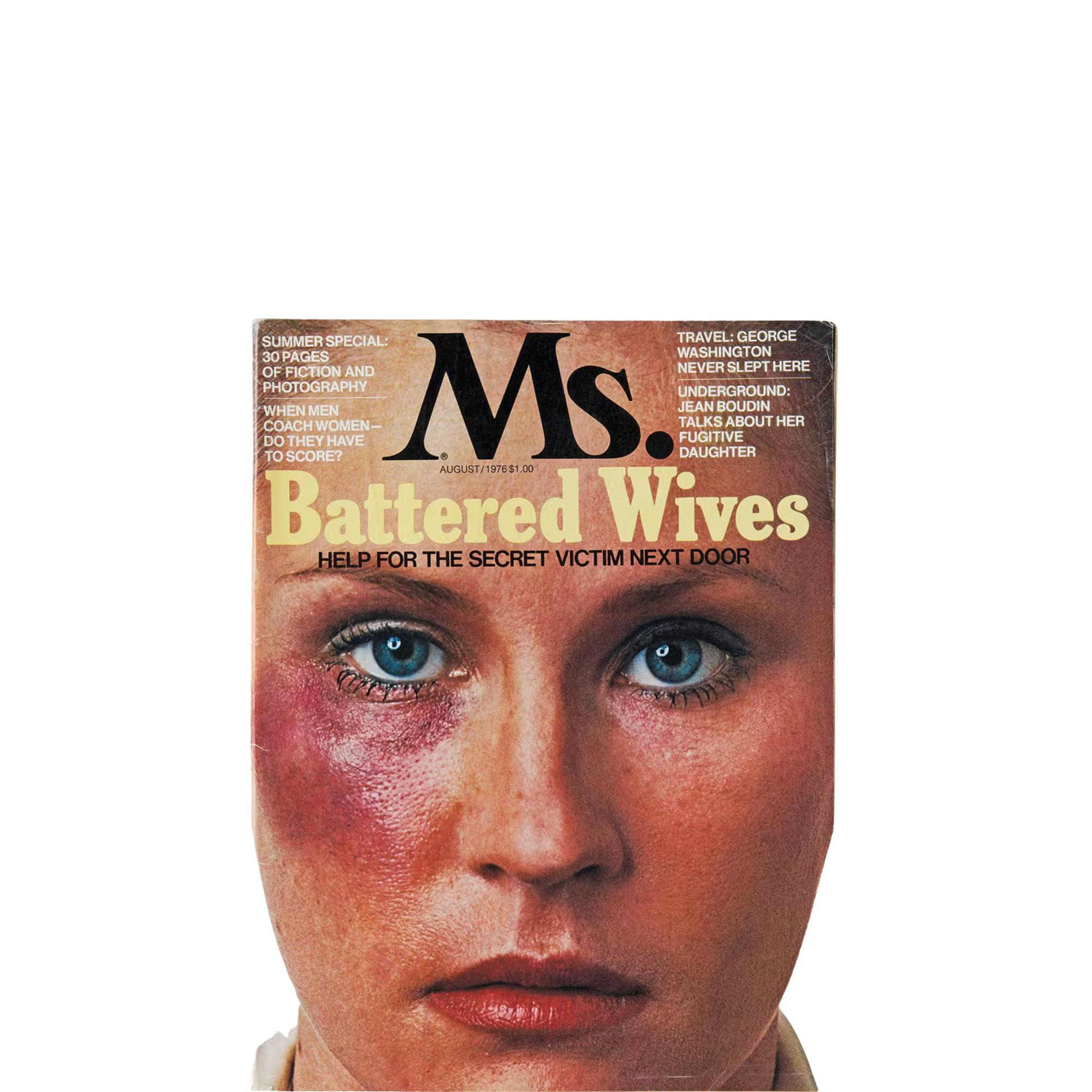
In 1976, Ms. Magazine was the first to run a cover story on domestic violence on the national stage. When they did, letters poured in from women who learned they were not alone for the first time.
Realizing their pain was something known by others changed their understanding of their reality.
The impact? Hope.
Putting a woman with a bruised face on the cover was provocative and risky,
but that act of bravery forever altered the cultural understanding of intimate partner violence, as well as how we address it.

“I’ve learned that people will forget what you said, people will forget what you did, but people will never forget how you made them feel.”
— Dr. Maya Angelou